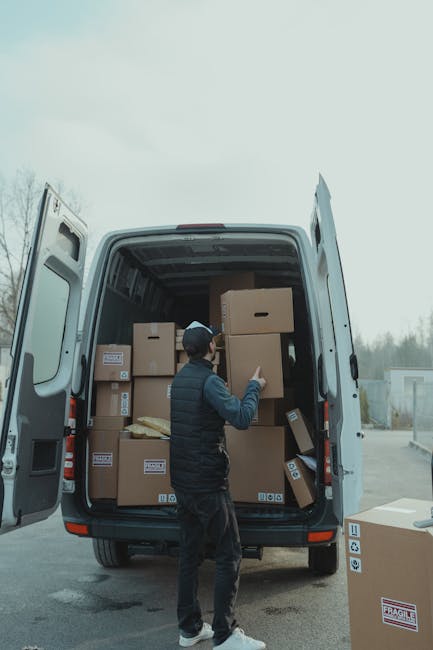
Seven Kings (IG3): best van routes and loading times
Posted on 07/05/2026
If you are planning a move in Seven Kings, the route you choose and the time you load the van can make the difference between a calm day and a surprisingly stressful one. Streets can be narrow, parking can be tight, and a few minutes of poor timing can turn into a long wait at the kerb. This guide to Seven Kings (IG3): best van routes and loading times is designed to help you move smarter, not harder.
We will look at how to pick sensible van routes around Seven Kings, how loading times work in real life, what slows people down, and how to plan a move that feels organised from the first box to the last. If you are moving a flat, a family home, office items, or just a few awkward pieces of furniture, you will find practical advice here. And yes, we will keep it grounded in the real world - because nobody needs theory when the van is already waiting outside.

Why Seven Kings (IG3): best van routes and loading times Matters
Seven Kings sits in a part of east London where moving vans need a bit of thought. It is not just about getting from A to B. It is about getting out of a side street without blocking traffic, finding a loading spot that actually works, and timing the job so you are not trapped behind school-run congestion or a delivery lorry that has chosen your exact moment to stop.
That is why route planning matters so much in Seven Kings. The area connects into busier Redbridge roads, and local conditions can shift quickly depending on the time of day. A route that looks fine on a map may feel very different once you are in a long-wheelbase van with a mattress sticking out the back. To be fair, that is true in most London neighbourhoods, but IG3 can be especially unforgiving if you have not prepared.
Loading times matter just as much. If your van arrives too early, boxes may still be upstairs. Too late, and you may lose the daylight you needed for a smooth unload. People often think loading is just "put the stuff in the van," but good loading is really a sequence: protect, stage, carry, stack, secure, then final check. Miss one step and you pay for it later in broken lamps, strained backs, or a slow second trip.
For anyone booking a local man with a van in Redbridge or comparing broader removals in Redbridge, the real value is predictability. The right route and a sensible loading window help the move stay on time, which is often what people care about most.
How Seven Kings (IG3): best van routes and loading times Works
There is no single perfect route for every Seven Kings move. The best route depends on where you are starting, what size van is being used, whether parking is restricted, and how much traffic is building up around nearby junctions. Still, the process is straightforward once you break it down.
First, you work backwards from the destination. If you are going to another part of Redbridge, you may want the least stop-start route rather than the shortest one on paper. If you are crossing east or central London, the route may need to avoid predictable pinch points. The aim is steady progress, not heroic shortcuts that save three minutes and cost twenty.
Second, you decide how long loading will really take. A one-bed flat with neatly boxed items may take far less time than a family home with loose items, dismantled furniture, and a few "we will deal with that later" bags. For a lot of local moves, the loading window is as important as the journey itself. If the van is booked too tightly, one awkward wardrobe can derail the whole plan.
Third, you match the van size to the property and access. A smaller van may be easier around tighter streets, but it can require more trips. A larger van may reduce trips, but can be harder to position safely. That balance is at the heart of many local moves, and it is why services like man and van in Redbridge are often chosen for flexibility rather than brute capacity alone.
Fourth, you build the schedule around the area, not just the moving team. In Seven Kings, a late-morning start may be fine on one day and awkward on another. School traffic, commuter flow, and even weather can change how long it takes to load and get moving. Honestly, the weather matters more than people admit. A wet stairwell slows everything down.
Key Benefits and Practical Advantages
When the route and loading plan are set properly, the move feels less chaotic almost immediately. That is the biggest benefit, and it is not a small one. A calmer move usually means fewer errors, less damage, and less physical strain.
- Less waiting time: The van arrives at a realistic moment, when items are actually ready to go.
- Lower stress: Nobody likes standing in the hallway wondering whether the driver is blocked two roads away.
- Reduced handling risk: Better loading means fewer awkward lifts and fewer chances of damage.
- More efficient use of fuel and time: A well-chosen route avoids unnecessary detours and delays.
- Better neighbour relations: Efficient loading reduces the time the van spends obstructing access or making a fuss outside.
There is also a useful financial angle. The less time the move wastes, the less likely you are to need extra hours, extra labour, or an unplanned second journey. For price-conscious customers, it is worth checking pricing and quotes early so you can see how timing and van choice may affect the overall job.
One more thing: good planning helps with the items people worry about most. Heavy sofas, beds, and fragile furniture all become easier to manage when loading is structured properly. If you are moving a difficult item, it can be worth reading about why DIY piano moving can go wrong and how to simplify moving a bed and mattress. Those examples are useful because the same loading logic applies across the board.
Who This Is For and When It Makes Sense
This guide is useful if you live in Seven Kings and need to move anything larger than a few shopping bags. That may sound obvious, but people often underestimate how quickly a move becomes logistical once furniture is involved.
It makes sense for:
- Flat movers who need to work around tight entrances, stairwells, or limited parking
- House movers who want a more structured moving day
- Students shifting between term-time accommodation and home, especially with mixed box-and-bag loads
- Small business owners moving stock, desks, or office equipment
- Families trying to keep the move calm while juggling children, pets, and a full household
If you are only moving a single item, the route still matters, but loading is simpler. If you are moving a whole property, the sequence really starts to matter. In our experience, the people who do best are the ones who treat the move as a process rather than a last-minute scramble. Not glamorous, but very effective.
For more specialised jobs, the right support page can help you choose the service level you need. A packed flat may suit flat removals in Redbridge, while a larger home is often better matched with house removals in Redbridge. If you have bulky furniture, furniture removals is the more relevant route to explore.
Step-by-Step Guidance
Here is a practical way to plan van routes and loading times in Seven Kings without overcomplicating it.
- Confirm both addresses early. Check the exact pickup and drop-off points, not just the postcode. A front entrance, side alley, or rear access point can change the plan completely.
- Walk the access route. Look at staircases, lift access, narrow doors, low branches, bins, and any parked cars that might affect the van.
- Sort your items into groups. Keep fragile items, heavy items, and quick-load boxes separate. If everything is mixed together, loading gets messy fast.
- Pack by exit order. Put the first items out where they can be carried straight to the van. This avoids unnecessary shuffling inside the property.
- Choose the loading window realistically. Add time for dismantling, wrapping, carrying, and final checks. A rushed estimate is usually too optimistic.
- Plan the van position. The best loading point is not always directly outside the door. Sometimes a slightly different spot makes loading safer and faster.
- Secure the load as you go. Do not wait until the van is full. Tie down or stabilise heavier items early.
- Check the route before departure. Make sure the driver knows where any restrictions, roadworks, or tight turns may affect the journey.
A small but important detail: keep a "last off" box separate. That should hold keys, documents, chargers, snacks, medications, and anything you do not want buried under blankets and boxes at the end of the day. That little habit saves a lot of fiddling later.
If you want a broader moving plan, it can help to read packing hacks for a hassle-free home relocation alongside this guide. Packing and loading are tightly connected, and they work best when they are planned together.
Expert Tips for Better Results
Good moving teams do not just "turn up and lift." They think about sequence, space, balance, and timing. That is what makes a local move feel efficient rather than chaotic.
1. Load the heaviest items first, but not carelessly. Heavy pieces such as wardrobes, white goods, and solid furniture should go in first so the van sits properly and lighter boxes can be stacked around them. Still, heavy does not mean throw it in wherever it fits. Weight should be balanced across the load floor.
2. Keep fragile items visible and separated. Mirrors, lamps, glass shelves, and screens should not disappear into a random gap beside a bike wheel. That sounds obvious, but it happens.
3. Use the local street layout to your advantage. In Seven Kings, some roads are easier for a van to use than others depending on parked cars and turning space. A slightly longer walk from the property to the van can still be quicker overall if the van can park safely and leave without a headache.
4. Avoid the "we'll decide when it gets there" approach. It rarely works. If you know a sofa is going to the front of the van and boxes are going on top, say so from the start.
5. Build in a small buffer. Even fifteen minutes can make a difference. A stuck lift, a missing key, a neighbour's car in the way - little delays add up quickly.
6. Use proper lifting technique. This is one area where judgement matters. If a lift feels too awkward or too heavy, stop and reset. The article on controlled lifting and kinetic motion is a useful reminder that smooth, measured movement beats a rushed heave every time.
Expert summary: The smoothest Seven Kings moves are not the ones with the fastest van. They are the ones with a sensible route, realistic loading time, clear item order, and enough patience to avoid one silly mistake.
That last bit is the truth, really. One silly mistake can cost more time than a whole well-planned hour saves.
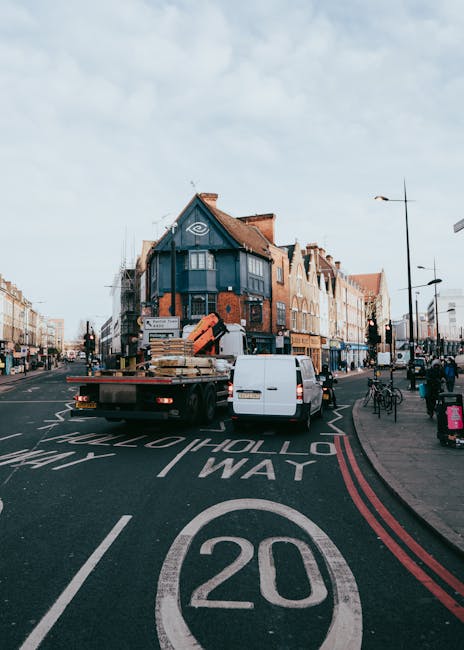
Common Mistakes to Avoid
Let's face it, most moving problems are predictable. The good news is that predictable problems are easier to avoid.
- Underestimating loading time: A room full of loose items takes longer than it looks. Always allow extra time.
- Choosing the wrong van size: Too small means more trips; too large may be harder to park or manoeuvre.
- Poor box labelling: If the label only says "stuff," unpacking becomes a mild comedy of errors.
- Not checking access: One tight corner or low branch can change the whole plan.
- Leaving dismantling until the last minute: Bed frames and large tables rarely respect a rushed schedule.
- Forgetting parking or waiting constraints: A van that cannot stop nearby adds strain and time.
- Mixing fragile and heavy items: It is one of the easiest ways to cause damage.
A useful real-world observation: people often overfocus on the drive and underfocus on the load-out. But in local moves, the loading stage is often where most of the clock disappears. If you fix that, the whole day gets easier.
If your move includes awkward, heavy, or high-value items, it can also help to check practical guidance for heavy lifts before the day arrives. A bit of planning prevents a lot of back pain. Quite literally.
Tools, Resources and Recommendations
You do not need a truckload of specialist kit for a successful move, but a few simple tools make a noticeable difference.
- Furniture blankets or pads: Useful for protecting wooden finishes, corners, and glass.
- Stretch wrap and tape: Good for keeping drawers shut and protecting upholstery, though not for directly wrapping delicate surfaces without padding.
- Dollies and trolleys: Helpful for heavier boxes and appliances, especially when access is level enough to use them safely.
- Labels and marker pens: Basic, but they save time at both ends of the move.
- Tool kit: Screwdrivers, Allen keys, and a small bag for bolts are worth their weight in gold.
- Floor protection: Especially useful if the weather is wet and people are walking in and out repeatedly.
It is also worth using the right support pages for your move type. If you need help with boxes and packing materials, take a look at packing and boxes in Redbridge. If you need extra space between moving out and moving in, storage in Redbridge can be useful, especially when access dates do not line up neatly.
For a smoother day overall, many people also find it helpful to combine route planning with decluttering first. The essential declutter checklist for moving is a practical companion piece because the less you move, the easier route and loading planning become. Obvious maybe, but still overlooked more often than it should be.
Law, Compliance, Standards, or Best Practice
For local van work in Seven Kings, the most important compliance issues are usually practical rather than dramatic. The vehicle should be road-legal and insured for the type of work being carried out, and loading must be done safely so items do not shift during transit. That is not just good practice; it is basic responsibility.
In London, drivers also need to pay attention to local parking restrictions, dropped kerbs, access rules, and any temporary notices that affect loading or waiting. These can vary by street and by time of day. It is always wise to check the situation in advance rather than assuming there will be space because "it usually is." That assumption has ruined many a moving morning.
From a moving safety point of view, sensible best practice includes:
- using appropriate lifting methods for heavy or awkward items
- keeping walkways clear to reduce trip hazards
- securing items inside the van before travel
- avoiding overloading the vehicle
- protecting walls, floors, and doorframes where practical
If you want to know more about the company's approach to risk and responsibility, the pages on health and safety policy and insurance and safety are useful references. For broader service context, services overview gives a clearer picture of what different move types may need.
There is also a sustainability angle. Fewer wasted trips mean less fuel use, and careful planning can support a lower-impact move. If that matters to you - and for many people it does - the page on recycling and sustainability is worth a look.
Options, Methods, or Comparison Table
There are a few common ways to handle a Seven Kings move, and the best option depends on time, volume, and how hands-on you want the day to be.
| Method | Best for | Pros | Limitations |
|---|---|---|---|
| Small van, one trip | Light moves, student loads, single-room contents | Simple, often quick, easier in tighter streets | May need careful packing and very efficient loading |
| Medium van with staged loading | Typical flat or small house moves | Good balance of capacity and manoeuvrability | Requires better sequencing to avoid delays |
| Large van for full property moves | Bulkier household relocations | Reduces trips and can save time overall | Harder to park and position in some streets |
| Man and van support | Flexible local moves, mixed item loads | Helpful for lifting, loading, and quick local logistics | Not ideal for every large-scale move |
| Full removal service | Busy households, complex access, bigger homes | More structured and less physically demanding | Usually the most involved service level |
For many Seven Kings residents, the decision comes down to access. If parking is awkward and the property has stairs, a smaller or more flexible option can be a better fit than a bigger van on paper. If the property is large and the contents are substantial, a more comprehensive service may actually be the simpler choice.
Case Study or Real-World Example
Imagine a typical move from a two-bedroom flat in Seven Kings to another property a few miles away. The customer has a sofa, a bed frame, a mattress, a dining table, around twenty boxes, and a few fragile items like lamps and kitchenware. Nothing extreme. But enough to become messy if handled casually.
The best outcome usually starts with an early load-out time, before traffic builds too much. The team checks the route, identifies the nearest safe loading point, and stages the items near the exit in order of size and fragility. The bed is dismantled first, because waiting until the end would be a pain. Boxes are stacked in a way that keeps fragile items away from heavy pressure, and blankets protect the sofa from scuffs while it is manoeuvred through the hallway.
On the road, the driver uses a route that avoids obvious bottlenecks and keeps the van moving steadily rather than chasing a route that looks shorter but involves more stopping. The result is not dramatic. That is the point. The move feels steady, there are no frantic phone calls, and unloading starts before the day has slipped away.
That kind of move is also where a little preparation pays off emotionally. You arrive with energy left. You can breathe. You can even make tea before the last box is unpacked. A small victory, but a real one.
If you are dealing with student accommodation or a lighter local relocation, the same logic applies. The page on student removals in Redbridge is a good fit for smaller, faster moves where timing still matters a lot.
Practical Checklist
Use this checklist to keep your Seven Kings move on track. Simple, but it works.
- Confirm both addresses and contact details
- Check access, stairs, and parking options
- Estimate loading time realistically
- Label boxes by room and priority
- Separate fragile, heavy, and last-off items
- Dismantle beds, tables, and bulky furniture in advance where possible
- Protect sofas, mirrors, and screens with appropriate wrapping
- Prepare parking or loading arrangements if needed
- Keep tools, documents, and essentials easy to reach
- Allow extra time for unexpected delays
- Check that the van load is secure before departure
- Do a final sweep of cupboards, loft spaces, and behind doors
If you want a cleaner handover at the old property, the guide on preparing an immaculate house before moving is worth reading. It is one of those small things that makes the whole process feel more finished.
Conclusion
Seven Kings moving work is easier when you stop treating the van as the only moving part. The route, the loading window, the access points, and the order of your items all matter. Put together properly, they save time and reduce stress. Put together badly, and even a short move can feel like a long one.
The practical takeaway is simple: plan the route, estimate loading honestly, and choose a van setup that fits the street as well as the property. That approach gives you the best chance of a calm, efficient move in IG3, whether you are shifting one room or a whole household.
If you are ready to make the next step easier, compare your options, check the service level you need, and book with enough time to avoid a last-minute scramble. Get a free quote today and see how much you can save.
And if the day feels a bit much, that is normal. Most moves do. The trick is to keep the next step small, steady, and sensible. That usually gets you there.