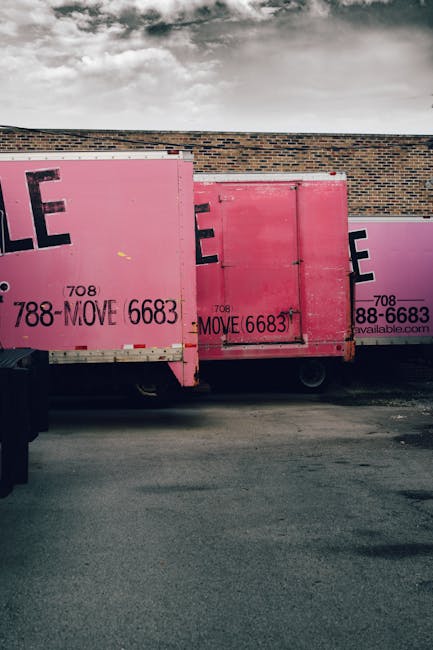
Valentines Park removals guide for easy loading
If you are moving in or around Valentines Park, the loading stage can make the whole day feel calm or chaotic in about five minutes flat. A smart Valentines Park removals guide for easy loading helps you think ahead about parking, carrying routes, awkward furniture, and the little details that usually get forgotten until the van is already outside. In our experience, that is where most delays begin: not with the lifting, but with the planning.
This guide breaks down how to prepare properly, how to load a van in a way that protects your belongings, and how to avoid the common mistakes that slow people down. It also points you towards helpful services such as man with van support, home moves assistance, and packing and unpacking services where a little extra help can save a lot of effort.
Truth be told, loading well is half the move. The rest is just transport.
Table of Contents
- Why Valentines Park removals guide for easy loading matters
- How Valentines Park removals guide for easy loading works
- Key benefits and practical advantages
- Who this is for and when it makes sense
- Step-by-step guidance
- Expert tips for better results
- Common mistakes to avoid
- Tools, resources and recommendations
- Law, compliance, standards, or best practice
- Options, methods, or comparison table
- Case study or real-world example
- Practical checklist
- Conclusion
- Frequently asked questions
Why Valentines Park removals guide for easy loading Matters
Easy loading matters because a move is not just about getting things from A to B. It is about protecting your possessions, keeping the removal day on schedule, and making sure nobody is carrying a wardrobe through a doorway for the third time because the box pile was packed in the wrong order. If you live near Valentines Park, you may also be dealing with tighter residential streets, parked cars, or shared access points that make every extra trip more annoying than it should be.
A good loading plan reduces strain on your back, lowers the chance of damage, and makes better use of the van space you have paid for. That last part is easy to underestimate. A van that is loaded badly can suddenly seem too small. A van loaded properly often carries far more than people expect, because the shape of the space is used efficiently rather than randomly filled.
There is also a simple emotional benefit. When the loading starts in a controlled way, the whole move feels more manageable. You can actually see progress. Boxes disappear. Furniture settles. The job starts to feel real, and not in a stressful, last-minute way.
If you want a more rounded moving service around the area, it can also help to look at removal services, general removals support, or even local removals near me when you are comparing options. Not every move needs a large team, but every move benefits from a proper loading method.
How Valentines Park removals guide for easy loading works
At its simplest, easy loading is a sequence: prepare the property, sort the items, stage them in the right order, and then load the van from the heaviest and least flexible items first. That sounds obvious. It rarely happens that neatly in real life, because people are usually still folding bedding, unscrewing table legs, or looking for the kettle at the exact moment the van arrives.
The process works best when you think in zones:
- Property zone: clear hallways, stairs, lifts, and doorways before lifting begins.
- Staging zone: place packed boxes and furniture in one area close to the exit.
- Loading zone: arrange items in the van by weight, shape, and fragility.
- Final zone: secure everything so it does not shift during transit.
For a local move in Valentines Park, you may be loading from a flat, a terraced house, or a small family home. Each has its own awkward bits. Flats often mean stairs or shared entrances. Houses can mean narrow hallways and garden items that somehow multiply overnight. To be fair, that last one happens to everyone.
If you are moving business stock or equipment, the process becomes even more structured. In that case, pages like office removals and commercial moves are more relevant, because office moves usually rely on a strict sequence and labelled load order rather than a casual pile-up at the kerb.
Key Benefits and Practical Advantages
The main advantage of a solid loading plan is simple: it reduces avoidable friction. But the benefits go beyond saving time on the day.
- Less damage: fragile items are less likely to be crushed under heavier goods.
- Faster turnaround: when items are grouped logically, loading and unloading both go quicker.
- Better van use: good stacking makes more efficient use of every inch.
- Lower stress: fewer rushed decisions mean fewer mistakes.
- Safer lifting: clear paths and sensible item order reduce the chance of accidents.
There is a practical knock-on effect too. If the van is packed neatly, unloading at the new address is much easier. Boxes come out in the right order, large furniture is removed without wrestling, and you are not hunting through a mountain of odd-shaped items for your bedding or charger at 11 p.m.
People often focus on packing materials, but loading is where those materials pay off. A sturdy box is useful, yes, but a sturdy box in the wrong place can still be squashed. The method matters more than the box brand. A little boring, maybe. Still true.
For added peace of mind, it can be worth checking insurance and safety information before move day, especially if you are handling antiques, electronics, or anything with sentimental value. It is the sort of thing you hope not to need, but you will be glad it was considered.
Who This Is For and When It Makes Sense
This guide is for anyone who wants the move to feel less like a scramble and more like a plan. In practice, that includes:
- homeowners moving within Redbridge or nearby areas
- tenants leaving a flat or maisonette with tight access
- families trying to move quickly between school runs and work
- older residents who want a gentler, more organised move
- students moving smaller loads but still needing smart stacking
- small businesses relocating stock, files, or equipment
It makes the most sense when access is not ideal. Think limited parking, a long walk from the property to the vehicle, or a staircase that seems to get narrower every year. It also makes sense if you are using a smaller vehicle and need every cubic metre to count. In those situations, good loading is not a nice extra. It is the whole game.
If you already know that lifting is going to be a problem, or there are bulky pieces like wardrobes, sofas, or heavy desks, then using a man and van style service can be a sensible compromise. You get hands-on help without necessarily booking a larger, more complex removal setup.
Step-by-Step Guidance
Here is the clearest way to approach a Valentines Park move if your main goal is easy loading.
- Measure the awkward items first. Not everything needs measuring, but sofas, beds, wardrobes, fridges, and anything oversized absolutely do.
- Clear the route from room to van. Move shoes, rugs, and loose clutter out of the way. It sounds basic, because it is.
- Group items by category. Keep kitchen, bedroom, office, and fragile items separate so they are loaded in the right order.
- Pack boxes to a consistent weight. Heavy books in small boxes, lighter bedding in larger ones. Your back will thank you.
- Load the heaviest items first. Place them against the front wall of the van and keep them upright where possible.
- Build around the heavy pieces. Add medium boxes and soft items to fill gaps. Use soft furnishings to cushion edges.
- Keep fragile items visible and protected. Mark them clearly and avoid burying them under anything that could crush them.
- Secure the load. Use straps, blankets, or other protective materials so items cannot slide during braking.
- Leave a small access gap where needed. If you will need first-night boxes quickly, do not trap them behind the sofa.
- Do one final walk-through. Check cupboards, loft access, sheds, and behind doors. People always miss one small thing. Always.
A simple rule helps: load by priority, not by convenience. Convenience is what makes people put the lamp on top of the freezer, which is not ideal. Put the practical items in first and the delicate or needed-soon items where you can reach them.
Expert Tips for Better Results
Small improvements make a surprisingly big difference. After a while, the move becomes less about muscle and more about sequence.
- Use a colour or room label system. Even a handwritten sticker helps. Blue for kitchen, red for bedroom, and so on.
- Keep hardware in bags taped to the furniture. Screws, hinges, and shelf pins are always the first things to vanish.
- Wrap soft items around corners. A duvet or blanket can protect a sharp edge better than you might think.
- Never pack loose liquids with valuables. A tiny leak can ruin a box of documents in seconds.
- Take photos before dismantling furniture. It saves time later when you are reassembling things in a room that now has no natural light because, of course, it is 7:30 in the evening.
One more thing: if the property is busy or you are loading in a window with awkward parking, keep one person focused on the van and one person on the doorway. That tiny split in roles often keeps the whole thing moving.
And if you are unsure whether you need moving help or just a stronger plan, pages like movers and removal company support can help frame the level of service you actually need. Not every move needs all the bells and whistles, and that is perfectly fine.
Common Mistakes to Avoid
Most loading problems come from a few repeat errors. The good news is they are all preventable.
- Leaving packing until the last night. Rushed packing usually means weak boxes and poor item grouping.
- Mixing heavy and fragile goods together. This is a classic way to create damage without even noticing.
- Loading random shapes first. Fillers belong in gaps, not at the base of the load.
- Forgetting a walking route. A clear plan from house to vehicle matters almost as much as the van itself.
- Not checking parking or access early. The van may be ready before the street is, which is never a fun moment.
- Ignoring weather. A wet morning can make boxes slippery and extra fragile. British weather, eh.
Another mistake is trying to move every small item in separate trips when a better solution would be to consolidate. You end up creating more handling, more risk, and a lot more fatigue. Better to stage things once, then move them with purpose.
For household furniture that no longer needs to come with you, a page like furniture pick up may be useful if you are clearing space before the move. Less clutter means easier loading. Simple, really.
Tools, Resources and Recommendations
You do not need specialist gear for every move, but a few basics make the day easier and safer. Here is what tends to help most:
- Removal blankets for protecting polished furniture, corners, and screens.
- Ratchet straps or load restraints for keeping items steady in transit.
- Sturdy tape for securing box lids and attaching hardware bags.
- Marker pens and labels for quick room identification.
- Gloves and sensible shoes for grip and hand protection.
- Bubble wrap or paper wrap for fragile items, though not overused if you are trying to stay eco-conscious.
If you are comparing service levels, it can also help to look at moving van options or removal van support depending on the size of your load. The right vehicle matters more than many people expect. A van that is too large can be awkward to pack securely; one that is too small can force unsafe stacking.
For a smooth experience, check practical information before you commit: pricing and quotes, payment and security, and terms and conditions. That is not glamorous, admittedly, but it does stop little misunderstandings later on.
Law, Compliance, Standards, or Best Practice
For most domestic moves, the main compliance concerns are straightforward: safe lifting, sensible vehicle loading, and keeping access routes clear. In the UK, basic manual handling best practice matters because lifting awkward or heavy objects badly can lead to injury very quickly. You do not need to turn move day into a health lecture, but you do need to respect weight, balance, and grip.
It is also sensible to think about insurance cover, transit safety, and the condition of your belongings before they are loaded. If an item is especially valuable or difficult to replace, document its condition beforehand. A few quick photos are usually enough. Nothing fancy. Just a sensible record.
Professional movers should also operate with clear policies on safety, complaint handling, and data protection where relevant. If you value that kind of reassurance, pages such as health and safety policy, complaints procedure, and privacy policy are useful trust signals. They show that the business has thought beyond the vehicle and into the wider service experience.
Best practice also means being realistic. If a wardrobe is too big to move safely in one piece, dismantle it. If a staircase is narrow, do not force a short cut. A careful move is usually a faster move in the end.
Options, Methods, or Comparison Table
There is more than one way to approach easy loading. The right method depends on volume, access, and how much time you have before handover.
| Method | Best for | Advantages | Limitations |
|---|---|---|---|
| Self-loading with a hired van | Small to medium home moves | Flexible, cost-conscious, good if you have helpers | Requires strong planning and physical effort |
| Man and van support | Flats, smaller homes, single-room moves | Practical help with lifting and loading, often quicker | May be less suited to larger multi-room moves |
| Full removal service | Family homes, full-property relocations, business moves | More structured, better for complex access or larger loads | Usually more involved and may need more coordination |
If you want a lighter-touch move but still need support with the heavy lifting, man and van removals can be a good middle ground. If the move is larger or more layered, then house removals or house movers may be a better fit. The point is not to overbuy service; it is to match the service to the actual job.
Case Study or Real-World Example
Picture a typical move near Valentines Park on a grey Saturday morning. A family in a two-bedroom flat has three big problems: a sofa that barely fits the landing, a box pile that has grown in the hallway, and no clear plan for the first load into the van. The first attempt takes too long, because the light boxes are loaded before the sofa and the heavier pieces keep blocking access. Everyone gets a bit fed up. Pretty normal, honestly.
They stop, reset, and load again in a better order. First the sofa and bed frames. Then the heaviest boxes. Then the cushions, linens, lamps, and fragile items filling the side gaps. They label the kitchen boxes so the kettle, mugs, and tea are accessible straight away. That one choice changes the evening at the new place, because they can make a cup of tea before opening every single box. Small mercy. Big difference.
The move still takes work. Moves always do. But the second half feels smoother, and that is the real value of easy loading: not magic, just fewer unnecessary problems. You can almost hear the sigh of relief when the last box clicks into place.
Practical Checklist
Use this checklist the day before and again just before loading starts.
- Boxes are sealed, labelled, and grouped by room
- Fragile items are clearly marked and padded
- Furniture is dismantled where needed
- Screws, fixings, and tools are bagged together
- Hallways, stairs, and exits are clear
- Parking or stopping arrangements have been thought through
- First-night essentials are kept separate
- Heavy items are ready to go first
- Blankets, straps, and tape are close at hand
- Windows, cupboards, lofts, and sheds have been checked
- Keys, documents, and chargers are kept with you
- The route from door to van is dry and safe if possible
If you tick most of those off, you are already ahead of the average move. And yes, that is a low bar, but still.
Conclusion
A good Valentines Park removals guide for easy loading is really about control. Control over the order of items, the route out of the property, the safety of the load, and the feeling that the day is moving forward instead of spinning around in circles. When the loading stage is organised, the whole move becomes more predictable and far less exhausting.
Keep it simple: plan the route, pack sensibly, load heavy items first, and use the right support for the size of the job. Whether you are moving a flat, a family home, or a small business space, that structure pays off. Every time, more or less.
If you are comparing local moving support, start with the practical details, not the headline promises. Look at service fit, access, safety, and transparency, then decide what kind of help actually makes sense for your day.
Get a free quote today and see how much you can save.
And if you approach the move with a calm plan and a bit of patience, you will be surprised how manageable it can feel by the end. Sometimes that is all a move really needs.
Frequently Asked Questions
What is the main goal of a Valentines Park removals guide for easy loading?
The main goal is to help you prepare, stage, and load items in a way that saves time, reduces damage, and makes the move less stressful. Good loading turns a messy moving day into a more controlled one.
How early should I start preparing for loading day?
Ideally, start a few days ahead for a small move and earlier for a larger one. The key jobs are packing, labelling, dismantling furniture, and clearing access routes. Leaving it until the last night usually creates avoidable pressure.
Should heavy items go in the van first?
Yes, in most cases. Heavy and solid items normally go in first so they can sit securely against the van wall and act as a stable base for lighter boxes and soft furnishings.
How do I stop furniture from moving during transport?
Use straps, blankets, and a tight loading pattern. Fill gaps with softer items so nothing can slide around. If a piece still wobbles, it needs better support before the van moves off.
What should I keep separate for easy access?
Keep first-night essentials separate, including chargers, basic toiletries, medications, snacks, kettle items, and a change of clothes. The box you want first is always the one buried deepest, unless you plan ahead.
Is a man and van service enough for a move near Valentines Park?
It can be, especially for smaller homes, flats, or single-room moves. For larger properties or more complicated access, a fuller removal setup may be a better fit. The best choice depends on volume, distance, and lifting needs.
What are the most common loading mistakes people make?
The biggest mistakes are poor packing, mixing heavy and fragile items, failing to clear walkways, and not planning the loading order. Another common one is underestimating how awkward a staircase can be until moving day arrives.
How do I make loading safer for my back?
Use smaller boxes for heavy items, bend at the knees, keep loads close to your body, and avoid twisting while carrying. If something is too heavy or awkward, ask for help rather than trying to be heroic. That rarely ends well.
Do I need to dismantle all my furniture?
No, not all of it. Dismantle items that will not fit safely through doorways or that are easier to move in sections. Beds, large wardrobes, and some tables often benefit from being taken apart.
What if parking is difficult near my property?
Plan parking or stopping arrangements as early as possible and keep the walking route short and safe. If parking is tight, a smaller vehicle or more structured loading process may be easier than trying to force everything into one rushed trip.
Are packing services worth it?
They can be, especially if you are short on time, moving with children, or handling fragile items. Professional packing and unpacking services can take pressure off the day and reduce the chance of poorly packed boxes.
How do I know whether I need removals or just a van?
If your move is small, straightforward, and you can do much of the lifting yourself, a van may be enough. If you have bulky furniture, lots of boxes, or limited access, a more complete removals option is often the safer choice.