Hazardous waste disposal guidance for Redbridge moves
Posted on 29/07/2026
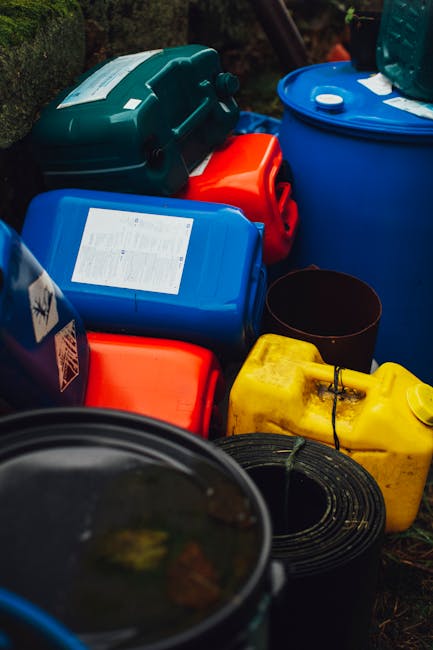
Moving home or office in Redbridge is stressful enough without discovering a cupboard full of old paint, a leaking bottle of bleach, or a half-used box of DIY chemicals. Hazardous waste disposal guidance for Redbridge moves is about dealing with those awkward, risky items before they become a problem on moving day. The goal is simple: keep people safe, protect your belongings, and make the whole move cleaner and calmer. A bit of planning here saves a lot of last-minute panic, and truth be told, that panic usually shows up when the van is already outside.
This guide walks you through what counts as hazardous waste, how to sort it, what to do before the move, and how to avoid the common mistakes that trip people up. You will also find a practical checklist, a comparison of disposal approaches, and a few local-moving tips that fit the reality of Redbridge streets, tight schedules, and busy moving days.
Expert summary: sort hazardous items early, keep them separate from normal packing, never load damaged containers loosely into a removal van, and arrange a proper disposal route before moving day arrives.
- Why hazardous waste disposal matters
- How the disposal process works
- Key benefits and practical advantages
- Who this is for and when it makes sense
- Step-by-step guidance
- Expert tips for better results
- Common mistakes to avoid
- Tools, resources and recommendations
- Law, compliance, standards, or best practice
- Options, methods, or comparison table
- Case study or real-world example
- Practical checklist
- Conclusion
- Frequently asked questions
Why Hazardous waste disposal guidance for Redbridge moves Matters
Hazardous waste is not the same as normal clutter. It can leak, smell, ignite, irritate skin, or react badly if it is knocked over in transit. During a move, items that sit quietly in a kitchen, garage, shed, or utility cupboard can become a real nuisance once boxes are stacked, lifted, and tilted. That is especially true in a dense area like Redbridge where loading space can be tight and the schedule is often compressed into a few frantic hours.
Why does this matter so much? Because moving day is not the time to discover that a box contains aerosols, solvent-based cleaners, batteries, or old fluorescent bulbs packed under soft furnishings. A removal van is built for furniture, cartons, and household goods. It is not the place for loose chemicals or unstable containers. If one item leaks, the whole load can be affected. That is the sort of thing nobody wants to smell at 8 a.m.
There is also the practical side. Hazardous items are usually harder to dispose of than standard rubbish. If you leave them until the end, you can end up with a pile of "special" items sitting by the front door while everything else is ready to go. That delay can cause stress, missed collection windows, or an awkward second trip. A better approach is to identify risky materials early, set them aside, and make a disposal plan before the packing frenzy begins.
If your move is part of a broader declutter, it can help to pair this task with the essential declutter checklist for moving. That way, you are not just throwing everything into boxes and hoping for the best. You are deciding what should move, what should be recycled, and what needs specialist handling.
How Hazardous waste disposal guidance for Redbridge moves Works
The process is simpler than it sounds, but it does require care. In most moves, the job breaks into four stages: identify, separate, secure, and dispose. That sequence matters. If you skip the first stage, everything after it becomes messy. If you mix hazardous waste with ordinary household items, you create confusion later on and raise the risk of accidental damage.
1) Identify the item. Look for anything that is flammable, corrosive, toxic, pressurised, or likely to leak. Common examples include leftover paint, paint thinners, aerosols, cleaning chemicals, pool chemicals, solvents, motor oil, batteries, and damaged electrical items. Some products do not look dangerous at first glance, which is why labels matter.
2) Separate it from your normal packing. Put hazardous items in a clearly marked, isolated area. Do not tuck them into kitchen boxes or leave them in a mixed garage crate. This is one of those tasks that seems a bit fussy until the day someone tries to lift a box and notices a chemical smell. Then it is not fussy at all.
3) Secure the item properly. Keep lids tight, containers upright, and packaging intact where possible. If the container is damaged, double-check whether it is safe to move at all. In some cases, the safer choice is to avoid transport and arrange proper disposal first.
4) Dispose through the right route. Hazardous waste should be handled through an appropriate disposal method rather than dumped in general waste. For household moves, that may mean setting items aside for a specialist collection point, a council-approved route, or another authorised disposal method. The exact route depends on the item type and condition.
For larger moves, it often helps to bundle this planning with your packing strategy. A good starting point is packing hacks for a hassle-free home relocation, because organised packing and hazardous sorting go hand in hand. If the rest of your house is packed in a calm, logical way, the awkward items stand out much more clearly.
Key Benefits and Practical Advantages
Doing hazardous waste properly is not just about being tidy. It changes the whole tone of the move.
- It reduces accident risk. Fewer leaks, fewer fumes, fewer surprises in transit.
- It protects the removal team. Nobody wants to lift a box and find a cracked container of solvent at the bottom.
- It helps keep your new property clean. Leaks in a van can transfer to furniture, flooring, and fabric.
- It makes loading faster. Separating problem items in advance stops the team from pausing mid-load to make decisions.
- It lowers the chance of disposal mistakes. Hazardous waste mixed with standard waste is a common source of trouble.
There is a quieter benefit too: peace of mind. When you know the chemicals, batteries, and damaged items are dealt with, the move feels more manageable. You are not wondering whether that old tin of varnish is going to end up wedged behind the sofa in the van. Small win, but a real one.
If the move includes bulky items as well as hazardous waste, it is wise to plan the heavy handling separately. A useful companion read is accomplish heavy lifts on your own terms. It will help you think more clearly about what should be handled, lifted, or left to a better-suited method.
Who This Is For and When It Makes Sense
This guidance is useful for anyone moving in Redbridge, but it is especially important in a few common situations.
- Homeowners and tenants with garages, sheds, lofts, utility rooms, or under-sink cupboards full of old products.
- Students moving out of shared housing where cleaning products, spare batteries, and aerosols often gather in one corner.
- Families who have accumulated bits and pieces over several years of DIY, gardening, and general life.
- Office movers dealing with batteries, toner cartridges, old monitors, and cleaning materials.
- Anyone moving in a hurry who needs a fast but sensible sort-out before the van arrives.
It makes sense whenever you spot anything that could leak, stain, corrode, or react. If you are unsure, do not assume it is harmless. A surprising number of everyday household products deserve a second look before being packed. And yes, that includes the bottle at the back of the cupboard you have been ignoring since spring.
When timing is tight, moving help can still be useful. Just make sure the hazardous items are already identified before anyone starts loading. If the move is urgent, urgent same-day removals in Redbridge can work smoothly only if the risky items are handled in advance. Same-day logistics and chemical sorting do not mix well when rushed.
Step-by-Step Guidance
Here is a clean, practical way to handle hazardous waste before a move. Keep it simple. That is usually the best strategy.
- Walk through the property room by room. Check kitchens, bathrooms, garages, sheds, cupboards, wardrobes, and utility areas.
- Collect anything potentially hazardous. Put all suspect items into one temporary holding area, away from children, pets, and heat sources.
- Read the labels. Look for warning symbols, flammable warnings, corrosive wording, or pressurised packaging.
- Group items by type. Keep chemicals with chemicals, batteries with batteries, and electrical items apart from liquids.
- Check whether the container is intact. If something is cracked, swollen, leaking, or rusted, treat it with extra caution.
- Decide whether it can travel safely. Stable, sealed items may be suitable for transport if done correctly. Damaged items may need a disposal route instead.
- Arrange disposal before moving day. Do not leave the awkward items as a "later" problem.
- Tell the moving team what is and is not being loaded. Clear communication avoids mistakes. Simple, but effective.
A small real-world tip: if you have to make a judgment call, ask yourself whether the item would be comfortable sitting in a warm van next to your mattress and wardrobe for an hour or two. If the answer is no, it probably should not be treated like ordinary household goods.
Also, if your property has a lot of stored items, the same sort of methodical approach helps with non-hazardous decluttering too. expert techniques for an immaculate house before moving pairs nicely with this topic, because a proper pre-move clean often exposes hidden chemicals, sprays, and half-used tins you had forgotten about.
Expert Tips for Better Results
In our experience, the smoothest moves are rarely the ones where people work harder. They are the ones where people decide earlier. A few habits make a real difference.
- Start in the "problem" rooms first. Garages, sheds, and utility spaces usually contain the highest-risk items.
- Use one clearly marked hazard box or crate. Keep it separate from the main packing stream.
- Keep batteries taped or isolated. Loose batteries can short-circuit if they touch metal items.
- Do not mix liquids with soft furnishings. A small leak can ruin fabric fast.
- Use upright storage where possible. That sounds obvious, but it gets forgotten very easily when the day gets busy.
- Leave time for a final sweep. Half an hour at the end can catch the one item everybody missed.
Another good habit is to plan the move around lifting and loading rather than the other way around. If you know in advance that the hazardous items are separated, the rest of the loading can proceed without awkward pauses. For a better sense of controlled handling, see kinetic lifting and controlled motion. It is not about showing off. It is about moving carefully without turning the day into a wrestling match.
One more thing: if you are moving a flat, a family home, or a compact office, tight access can make any spill worse because there is less room to correct mistakes. In those situations, a calm process matters even more than speed.
Common Mistakes to Avoid
Most problems come from rushing, not malice. Still, some mistakes appear again and again.
- Leaving hazardous waste until the final packing hour. This is the big one.
- Throwing chemicals into mixed boxes. A box should never become a mystery container.
- Packing damaged containers without checking them. That is where leaks begin.
- Assuming all batteries are the same. They are not, and loose ones can be awkward.
- Storing aerosols near heat or direct sun. Not ideal in a van or a bright hallway.
- Ignoring old paint tins because they "look empty." Many are not truly empty, and dried residue still matters.
- Forgetting about hidden items in sheds or lofts. The most awkward discovery is often the one nobody remembered.
It is tempting to think, "We will deal with that later." Later usually arrives with a postcode, a van, and no spare time. Better to do the hard thinking early. That one small decision can save the whole day from wobbling.
Tools, Resources and Recommendations
You do not need a large toolkit, but a few simple items make hazardous sorting much easier.
- Strong gloves for handling dusty or grimy containers.
- Labels and marker pens to mark danger items clearly.
- Sealable plastic tubs for small items that need to be kept together.
- Tape for battery terminals or loose lids where appropriate.
- Old towels or absorbent material for carefully stabilising a container that is not perfectly secure, if it is still safe to move.
- Separate bags or crates so hazardous items do not mingle with normal packing.
On the planning side, a wider move checklist also helps. If you are in a busy household, effortless moving and less stressful house transitions is a useful mindset to adopt, especially when the day includes sorting, packing, loading, and disposing of awkward items. No one needs a heroic saga. Just a sensible plan.
For property owners who are also looking at storage, there is another angle worth considering. Sometimes the right answer is not to transport everything immediately. If a non-hazardous item needs time before it can be dealt with, storage in Redbridge may help you separate the move from the deeper clean-out. Keep in mind, though, that hazardous waste itself should still be handled appropriately rather than simply put into storage and forgotten.
Law, Compliance, Standards, or Best Practice
This is where careful wording matters. Hazardous waste disposal is subject to UK rules and local expectations, and the exact route can depend on the item type, quantity, and condition. You should always check current guidance before disposal, especially if you are dealing with chemicals, oils, batteries, or electrical items that contain hazardous components.
For most household moves, the sensible best practice is straightforward:
- keep hazardous items separate from general waste,
- do not mix different substances in the same container,
- avoid transporting leaking or unstable items unless you know they are safe,
- use an appropriate disposal route rather than ordinary rubbish collection,
- follow any local council or site-specific instructions that apply to your item type.
If you are handling business waste, be even more careful. Office chemicals, printer consumables, cleaning products, and IT waste can trigger different handling expectations from household items. In practice, compliance is not just a legal box to tick. It is a safety habit. It protects you, the movers, and the next people who use the space.
There are also move-related rules that can affect how the rest of the day runs. In Redbridge, loading and access planning matter, and a sensible mover will think ahead about where the van stops and how quickly items are carried. If you want more context on that side of the move, street loading rules in Redbridge is a helpful read. And if a skip is part of your clean-out plan, Redbridge Council skip permit rules for house moves may be useful too.
Options, Methods, or Comparison Table
Different households need different disposal methods. Below is a simple comparison to help you decide what fits best.
| Method | Best for | Pros | Watch-outs |
|---|---|---|---|
| Separate and transport safely | Small, sealed, stable items that can be moved without risk | Convenient, keeps the move moving | Only suitable if containers are intact and handled carefully |
| Specialist disposal route | Leaking, damaged, or clearly hazardous items | Safer and more appropriate for risky materials | Needs planning and sometimes extra time |
| Dispose before the move | Items you no longer need and do not want to carry | Reduces load, simplifies packing, less stress later | Requires early sorting and decision-making |
| Store temporarily while arranging disposal | Non-hazardous items that are not immediately needed | Can ease the moving timeline | Not suitable for unsafe or unstable waste items |
For most people, the best route is a mix of disposal before the move and safe separation of any items that must remain. If your move includes specialist or delicate belongings too, you may find why DIY piano moving might hit a sour note unexpectedly relevant. It is a good reminder that not everything should be handled as a standard box-and-van job.
Case Study or Real-World Example
Here is a realistic example from a typical Redbridge move. A family is leaving a three-bedroom house with a small garden shed and a garage. They have ordinary furniture, children's toys, kitchen items, and a pile of old paint tins, weed killer, aerosols, and half-used cleaning products. Nothing dramatic. Just the sort of accumulation that happens when you live somewhere for a while.
At first, they planned to "sort the shed later." Then moving day approached and the spare room began filling with boxes. That is usually when the trouble starts. Instead of packing everything together, they set aside one corner of the kitchen and used it as a hazardous holding area. The family checked labels, removed obviously damaged items, and separated batteries and aerosols into different containers. They then arranged disposal for the items that could not travel safely.
The effect was immediate. Packing became calmer, the moving team could load furniture without pausing for safety checks, and the house emptied faster. A few awkward items were dealt with separately, but the move itself stayed on schedule. No drama. No leaking box in the van. No last-minute scramble through the shed in the rain. Honestly, that part alone was worth the effort.
The same logic applies to smaller properties. In a flat move, every minute counts, so early hazardous sorting matters even more. If your move involves stairs, tight access, or a short loading window, you will feel the benefit of pre-sorting very quickly.
Practical Checklist
Use this checklist a day or two before moving to keep things under control.
- Walk through the kitchen, bathroom, garage, shed, loft, and utility spaces.
- Gather paint, solvents, aerosols, batteries, oils, and chemical cleaners.
- Check every container for leaks, cracks, or rust.
- Read labels and separate unknown items for careful review.
- Keep hazardous waste apart from normal packing materials.
- Do not place chemicals near soft furnishings or food items.
- Label any container or crate that holds risky items.
- Arrange disposal or special handling before moving day.
- Tell everyone involved in the move where the hazardous items are stored.
- Do a final sweep before the van is loaded.
Quick takeaway: if you would hesitate to put an item beside your bedding, clothes, or kitchen goods, it deserves separate handling. That simple test is not perfect, but it is surprisingly useful.
When the whole move needs a bit of extra planning, it can help to speak to a team that understands awkward access, heavy lifting, and careful loading. You may also find the broader service overview useful: services overview. It gives context on the kind of moving support that can make the rest of the day easier.
Get a free quote today and see how much you can save.
Conclusion
Hazardous waste disposal guidance for Redbridge moves is really about reducing friction before it starts. Once you separate the risky items, the rest of the move becomes simpler, safer, and a lot more predictable. You are not just avoiding mess. You are protecting the van, the team, your belongings, and the new place you are about to call home.
The best moves are rarely flashy. They are the ones where the details have been quietly handled in advance. A tidy plan for hazardous waste may not feel exciting, but it saves time, prevents stress, and helps the day stay on track. And that, to be fair, is what most people want from a move in the first place.
Move carefully, keep the awkward stuff separate, and give yourself the easiest start possible. The rest has a much better chance of falling into place.